

Implementing robust Smart Industrial Asset Tracking Solutions boosts efficiency, optimizes inventory, and secures valuable assets across industries.
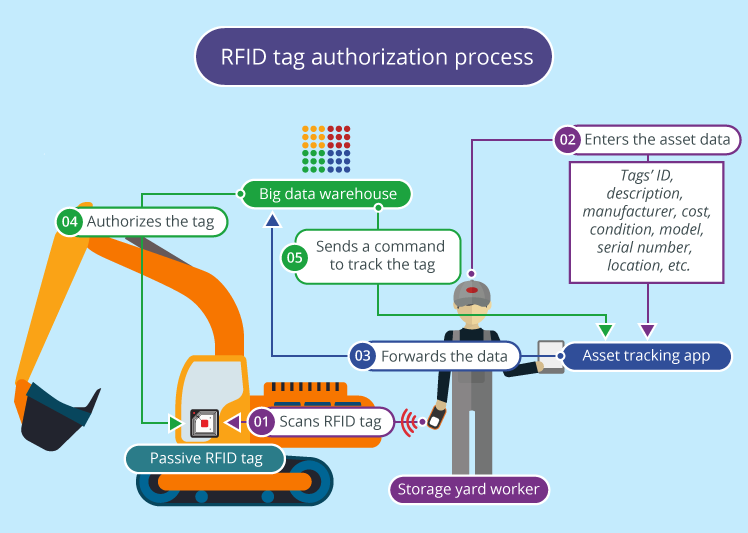
In today’s fast-paced industrial environment, maintaining a precise understanding of physical assets is paramount. From machinery and tools to raw materials and finished goods, knowing where an asset is, its condition, and its utilization history can significantly impact operational efficiency and profitability. Our experience in various industrial sectors, including manufacturing and logistics, consistently shows that manual tracking methods are prone to error, time-consuming, and simply inadequate for modern demands. This is where Smart Industrial Asset Tracking Solutions become indispensable, providing real-time visibility and actionable data.
Overview
- Smart Industrial Asset Tracking Solutions provide real-time visibility and data for physical assets.
- Setup involves detailed planning, technology selection, and seamless integration with existing systems.
- Key technologies include RFID, RTLS, BLE, GPS, and various sensors for data collection.
- Implementing these systems requires addressing network reliability, data accuracy, and user adoption.
- Benefits include reduced operational costs, improved asset utilization, predictive maintenance, and better compliance.
- These solutions are vital for competitive advantage and operational resilience across industrial sectors.
Setting Up Smart Industrial Asset Tracking Solutions for Operational Excellence
Establishing effective Smart Industrial Asset Tracking Solutions begins with a clear understanding of an organization’s specific needs and challenges. We typically start with an in-depth operational assessment. This involves identifying critical assets, understanding their movement paths, and pinpointing existing tracking pain points. For instance, a large automotive plant in the US might struggle with locating specialized tooling across multiple production lines, leading to costly downtime. A well-designed solution directly addresses such inefficiencies.
The architectural design phase follows, where we select appropriate hardware and software components. This is not a one-size-fits-all approach. Some assets require high-precision location tracking, while others only need entry/exit monitoring. Integration with existing ERP or MES systems is crucial to avoid data silos. Our methodology prioritizes scalability and modularity, allowing systems to grow and adapt as operational requirements evolve. Data governance and security are also central to the initial setup, ensuring integrity and protection of sensitive asset information from the outset.
Key Technologies Behind Smart Industrial Asset Tracking Solutions
The power of Smart Industrial Asset Tracking Solutions comes from the intelligent application of various technologies. Radio-Frequency Identification (RFID) remains a cornerstone, offering robust item-level tracking for inventory and supply chain visibility. Both passive and active RFID tags have their places, depending on read range and battery life requirements. For dynamic environments requiring precise location data, Real-Time Location Systems (RTLS) are vital. RTLS often leverages Ultra-Wideband (UWB) for accuracy down to a few centimeters, or Bluetooth Low Energy (BLE) beacons for cost-effective zone-based tracking.
Global Positioning System (GPS) is the standard for assets moving outdoors or between different facilities. Integrating these location technologies with an array of environmental sensors—such as temperature, humidity, vibration, or tilt sensors—provides a holistic view of an asset’s condition. All this data flows through an IoT platform, which acts as the central nervous system. This platform collects, processes, and analyzes the information, delivering actionable insights through user-friendly dashboards and alerts. Choosing the right blend of these technologies directly impacts a solution’s effectiveness and return on investment.
Overcoming Implementation Hurdles in Asset Tracking
Deploying sophisticated asset tracking systems often presents several practical challenges. One common hurdle is ensuring reliable connectivity across vast industrial sites, which may include areas with thick concrete walls or metal structures. We address this by carefully planning network infrastructure, often deploying a hybrid of wired and wireless solutions, including private LTE or Wi-Fi 6. Another significant consideration is data accuracy and consistency. Sensor calibration, gateway placement, and tag durability are critical factors that directly influence the quality of collected data.
We also focus heavily on user adoption. Even the most advanced system will fail if personnel find it difficult to use or perceive it as an added burden. Training programs tailored to different user groups, coupled with intuitive interfaces, are essential for successful integration into daily workflows. Cybersecurity is non-negotiable; protecting asset data from unauthorized access or manipulation requires robust encryption, secure communication protocols, and regular security audits. Finally, scaling the solution from a pilot project to full deployment needs a clear roadmap, managing integration complexities and potential interoperability issues.
Realizing Value with Smart Industrial Asset Tracking Solutions
The tangible benefits derived from well-implemented Smart Industrial Asset Tracking Solutions are substantial. Organizations consistently report significant reductions in operational expenditure. This comes from improved asset utilization, as resources are no longer idle or misplaced, and from minimized inventory shrinkage. Our clients have seen substantial savings in equipment replacement costs by extending asset lifecycles through proactive maintenance triggered by sensor data. Predictive maintenance, informed by real-time asset condition monitoring, allows companies to schedule repairs before critical failures occur, averting costly downtime.
Furthermore, these solutions significantly enhance compliance with regulatory requirements, especially in industries with strict auditing needs for equipment calibration or material traceability. In the manufacturing sector, faster identification of bottlenecks and improved workflow optimization translate directly into increased production throughput. For logistics, accurate tracking ensures timely deliveries and reduces the risk of lost shipments, bolstering customer satisfaction. Ultimately, Smart Industrial Asset Tracking Solutions provide the granular data necessary for informed strategic decision-making, contributing to a stronger competitive position in the global market.
About the Author


