
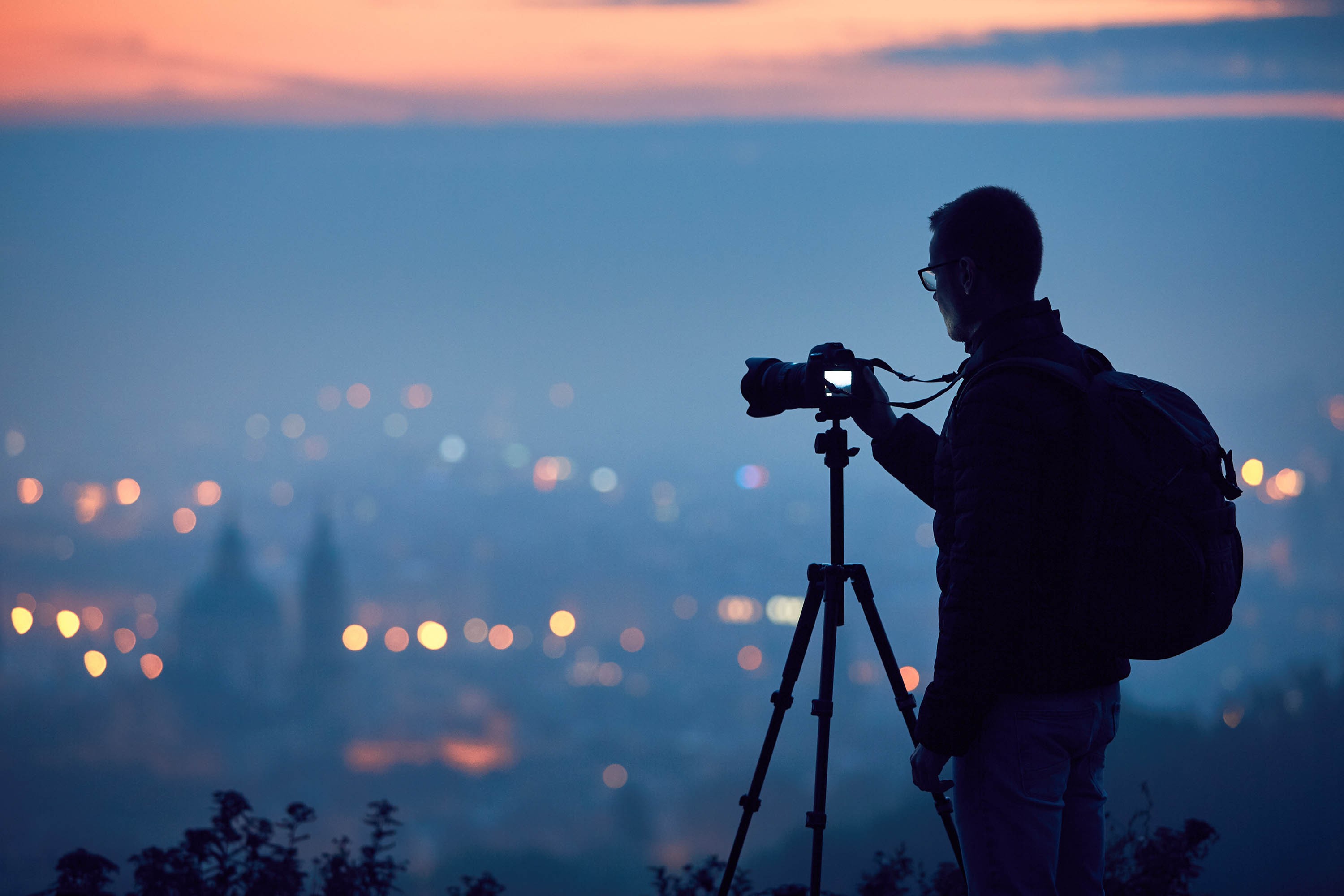
Strong visuals help a young company look established from day one. Brand photography small business owners commission usually covers product shots, team portraits, workspace scenes, and lifestyle images. Not every owner can afford a large production. However, careful planning delivers professional results without overspending.
Key Takeaways
- Original images build trust faster than generic stock photos.
- A short shot list prevents wasted time and keeps a session within budget.
- Combining several needs into one booking lowers the cost per image.
- Window light and a simple backdrop produce clean results at almost no cost.
- Smartphones handle everyday content, while a professional suits hero images and team portraits.
- Reusing each photo across the website, social media, and print stretches the investment.
- Clear usage rights and a defined editing scope protect you from hidden fees.
- Off-peak booking and early planning can reduce photographer rates.
Why Original Images Beat Stock Libraries
Stock photos are convenient, but customers often recognize them. A generic handshake or laptop image says little about your actual company. In contrast, original photos show real products, real spaces, and real people. For example, a bakery that shows its own ovens and staff builds a stronger connection than one using polished catalog images.
Moreover, original photography supports a distinct visual identity. Colors, framing, and mood stay consistent across every channel. Consequently, customers remember the business more easily and trust it sooner.
Setting a Realistic Spending Limit
Start with a firm number, then match it to your top priorities. Many small firms give visuals a modest share of their marketing budget. In addition, decide which images carry the most value. A homepage hero image deserves more investment than a casual social post.
Specifically, rank your needs by importance. Product photos, a founder portrait, and a few workspace images often form a solid starting set. Therefore, begin with these core assets and add more as revenue grows.
Building a Shot List That Saves Money
A shot list is a simple document that names every image you want. Photographers charge by time, so unplanned sessions cost more. Write down each scene, the props required, and where the image will appear. Furthermore, note the vertical and horizontal versions you need.
A good list usually covers five categories: products, people, process, place, and detail. For instance, a candle maker might photograph finished candles, the founder, the pouring process, the studio, and close-ups of wax textures. As a result, one session produces material for months of content.
Handling Simple Shots Yourself
Not every photo requires a professional. Modern smartphones capture sharp images, especially in good light. Place your subject near a large window, avoid direct sun, and use a plain wall or white poster board as a backdrop. Additionally, wipe the lens and steady the phone with a small tripod.
However, a phone has limits. Faces, complex products, and large rooms benefit from professional lighting and lenses. Indeed, many owners shoot casual behind-the-scenes content themselves and hire an expert for key images. This hybrid approach not only saves money but also keeps content flowing between larger sessions.
Getting More From a Single Booking
Bundling is the most effective way to control cost. Instead of paying for several short shoots, schedule one longer session and cover everything at once. Bring multiple outfits, product variations, and backdrops. Moreover, invite the whole team so employee portraits happen on the same day.
Prepare the space beforehand. Clear clutter, clean surfaces, and test your props. Subsequently, the photographer spends time shooting rather than tidying. Accordingly, you receive more usable images for the same fee.
Reading Quotes and Licensing Terms
Photography quotes vary widely, so read each one closely. Compare the number of edited images, the length of the session, and the delivery format. Whereas some studios include basic retouching, others charge extra for it. In other words, a low headline price can hide additional fees.
Usage rights matter just as much. Confirm where you may publish the images and for how long. For example, a license limited to your website may not cover print brochures or paid ads. Clear terms prevent costly disputes later.
Timing Your Booking Wisely
Photographers stay busiest during wedding season and the end-of-year holidays. Booking in quieter months can lead to lower rates and more flexible scheduling. In addition, ask about mini sessions or half-day packages designed for small businesses.
Plan content around your own calendar as well. If you launch products each spring, schedule the shoot a few weeks earlier. Therefore, your images arrive in time for the campaign instead of delaying it.
Finding the Right Creative Partner
Review portfolios for style, consistency, and experience with businesses like yours. You can view the portfolio of a prospective studio to check whether its look suits your brand. Furthermore, read client feedback and ask how the photographer handles revisions.
Finally, hold a short call before you commit. Share your goals, your budget, and your shot list. A good photographer offers honest advice, including which images you can create yourself. Both clear communication and realistic expectations lead to better results on a small budget.
About the Author


