
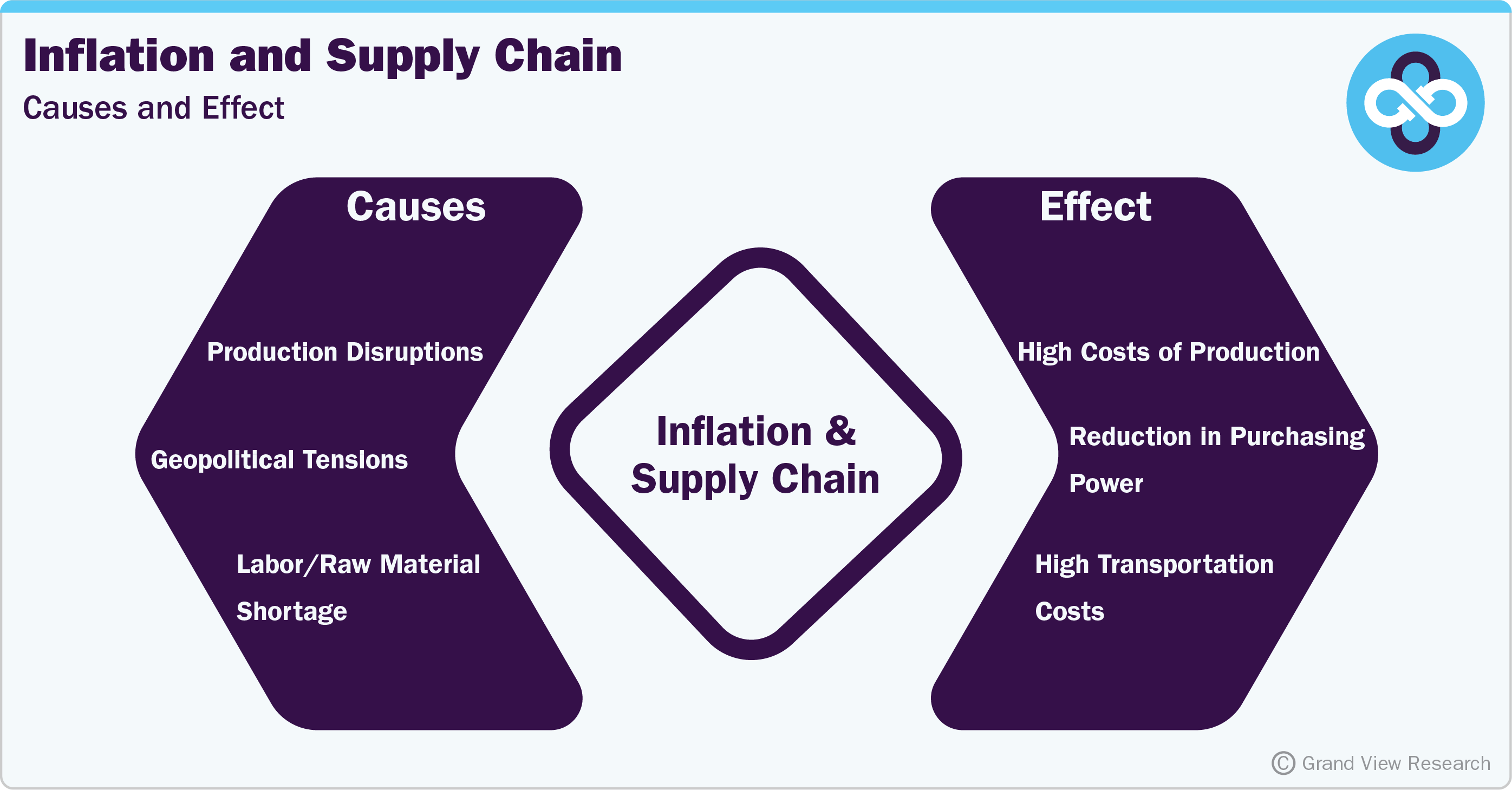
Inflation: It’s a word we hear often, especially in the news, but understanding its true impact on our day-to-day lives can be challenging. Inflation essentially means that the prices of goods and services are increasing over time. This seemingly simple concept has a profound ripple effect on what you can afford to buy with your hard-earned money. Imagine buying groceries or filling your car with gas – if prices are higher than they were last year, your purchasing power has decreased. You’re effectively getting less for your money. This article will break down exactly how inflation impacts your everyday purchasing power, explaining the underlying mechanisms and offering practical advice for weathering the storm.

Key Takeaways:
- Inflation erodes purchasing power, meaning you can buy less with the same amount of money.
- Rising prices in essential sectors like food, energy, and housing disproportionately affect lower-income households.
- Understanding the causes of inflation can help you anticipate its effects and adjust your financial strategies.
- Strategies like budgeting, investing, and negotiating can help mitigate the negative impacts of inflation.
How Inflation Effects Your Grocery Bill
One of the most noticeable inflation effects is on your grocery bill. The prices of everyday staples like milk, bread, eggs, and meat can fluctuate significantly during periods of high inflation. This means you might find yourself spending considerably more on the same items you usually buy. Consider this: if the price of a loaf of bread increases by 20%, you’re paying 20% more for the same amount of bread. This seemingly small increase can add up quickly over the course of a month or a year, particularly if you have a large family to feed. Furthermore, supermarkets may subtly reduce the size or quantity of products while maintaining the same price, a tactic known as “shrinkflation.” This further diminishes your purchasing power, as you’re getting less for your money.
To combat these inflation effects, it’s essential to become a savvy shopper. Compare prices between different stores, utilize coupons and loyalty programs, and consider buying generic or store-brand alternatives. Planning your meals in advance can also help you avoid impulse purchases and reduce food waste. In the UK, sites like MoneySavingExpert offer price comparison tools for groceries. You can even consider growing your own vegetables or herbs, no matter how small scale.
How Inflation Effects the Cost of Transportation
Beyond groceries, transportation costs are another significant area affected by inflation. The price of gasoline, public transportation fares, and even car insurance can all increase during inflationary periods. For many people, especially those who rely on their cars for commuting or work, rising gas prices can put a considerable strain on their budgets. The same is true for those who use public transportation; increased fares can quickly add up, especially for daily commuters.
Moreover, inflation effects extend to the cost of owning and maintaining a vehicle. The prices of car parts, tires, and repairs can all increase, making it more expensive to keep your car running. To mitigate these costs, consider taking public transportation, carpooling, biking, or walking whenever possible. You can also try to optimize your driving habits to improve fuel efficiency, such as avoiding speeding and sudden braking. Compare insurance quotes regularly to ensure you’re getting the best rate. Properly inflated tires, regular car maintenance, and careful driving can significantly impact fuel consumption. Even small changes, like combining errands into a single trip, can contribute to savings. If you live in London (gb), consider taking public transport or using a bicycle.
How Inflation Effects Housing Costs
Housing, whether you rent or own, represents a significant portion of most people’s budgets. Inflation effects are often felt acutely in the housing market. Rent prices tend to rise during inflationary periods as landlords adjust their rates to reflect increased operating costs and the overall higher cost of living. Similarly, for homeowners, property taxes and insurance premiums can increase, adding to the monthly housing expenses.
Furthermore, rising interest rates, often implemented to combat inflation, can make it more expensive to buy a home. Higher mortgage rates mean higher monthly payments, which can price some potential homebuyers out of the market. Even for those who already own a home, refinancing their mortgage may become less attractive due to higher interest rates. To manage housing costs during inflation, consider negotiating your rent with your landlord or exploring options for refinancing your mortgage if interest rates are favorable. Look for ways to reduce your energy consumption to lower utility bills. Consider moving to a more affordable area if possible. If you’re in a position to do so, investing in energy-efficient appliances or home improvements can save you money in the long run.
How Inflation Effects Discretionary Spending
While the impact of inflation on essential goods and services like food, transportation, and housing is undeniable, it also affects discretionary spending – the money you spend on non-essential items and activities like entertainment, dining out, and vacations. As the prices of essentials rise, consumers often have less money available for discretionary spending. This can lead to a decline in consumer demand for these goods and services, which can have a ripple effect on businesses in these sectors.
The inflation effects force you to make tough choices about how you spend your money. You might need to cut back on dining out, reduce the frequency of entertainment activities, or postpone vacations. To protect your discretionary spending during inflation, prioritize the activities that are most important to you and look for ways to reduce costs. Consider exploring free or low-cost entertainment options, such as visiting parks, attending community events, or hosting potlucks with friends. Look for deals and discounts on dining and entertainment. Budgeting carefully and tracking your spending can help you identify areas where you can cut back without sacrificing your overall quality of life.
About the Author


