
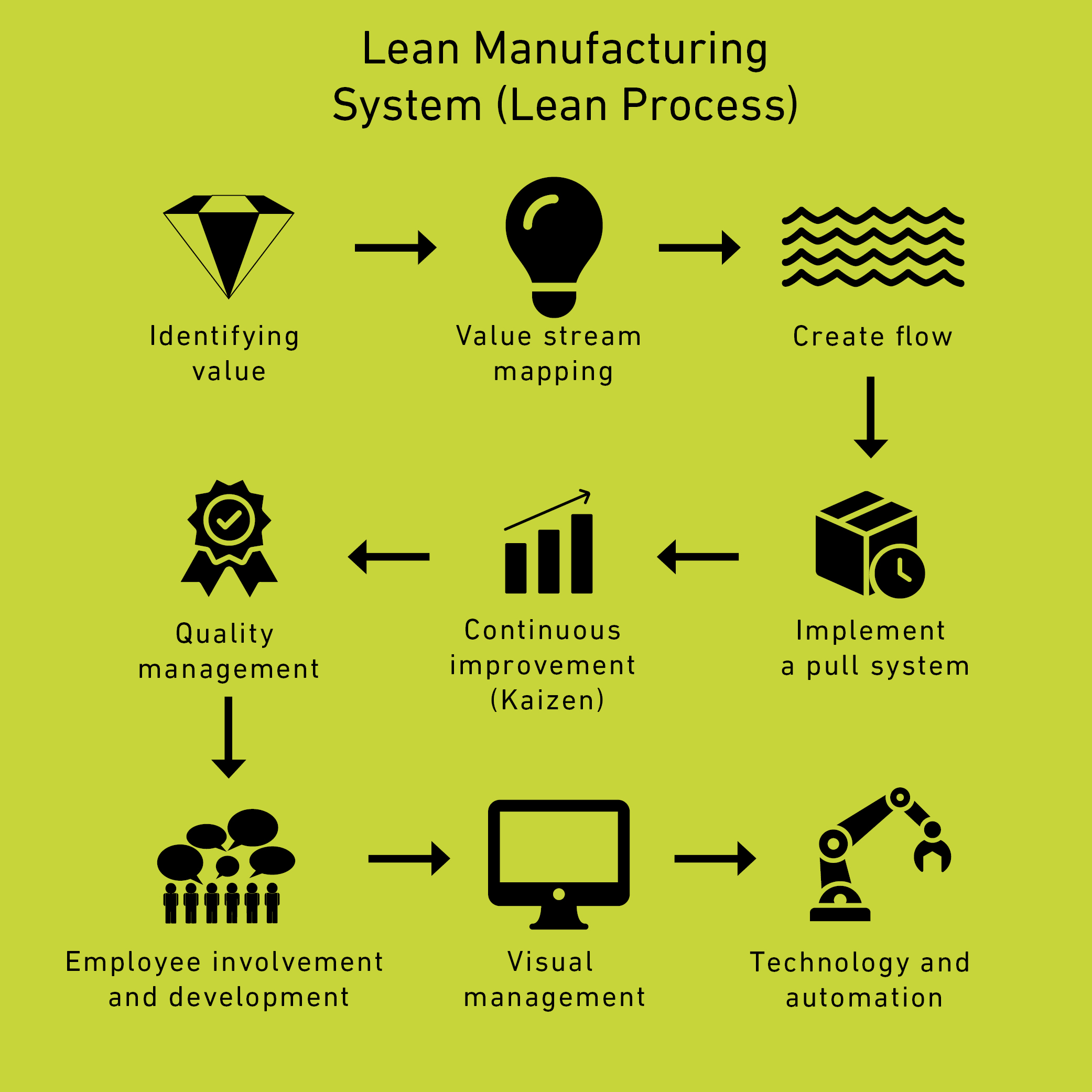
Modern factories face immense pressure to produce more, faster, and with fewer resources. In this competitive landscape, businesses are constantly searching for strategies to optimize their operations and stay ahead. One proven methodology that has consistently delivered exceptional results is the implementation of lean systems. These systems focus on streamlining processes, eliminating waste, and maximizing value for the customer. The principles of lean extend far beyond simple cost-cutting; they foster a culture of continuous improvement and empower employees to identify and solve problems at their source.
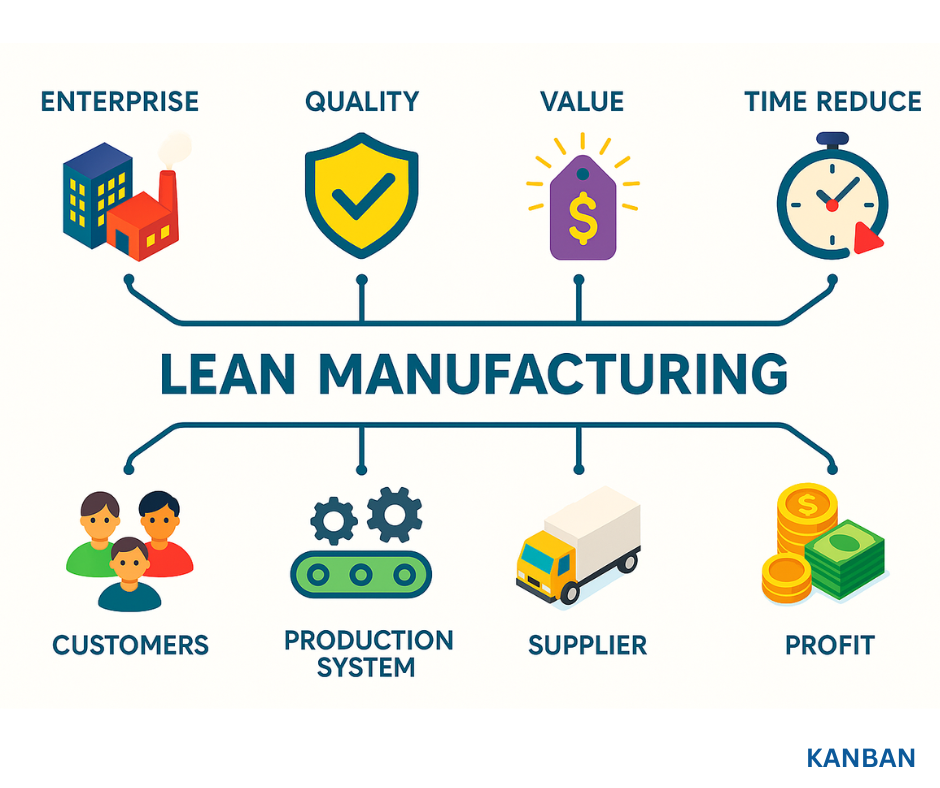
Key Takeaways:
- Lean systems are a powerful approach to optimizing factory operations by eliminating waste and improving efficiency.
- Implementing lean systems can lead to significant cost savings, increased productivity, and improved product quality.
- Successful lean systems rely on a culture of continuous improvement and employee involvement.
- Strategies like Value Stream Mapping, 5S, and Kanban are essential components of lean systems.
Understanding the Core Principles of Lean Systems in Modern Factories
At its heart, a lean systems is about creating more value for customers with fewer resources. This is achieved through a relentless focus on identifying and eliminating waste in all its forms. Waste, in the context of lean, is anything that doesn’t add value from the customer’s perspective. There are typically eight categories of waste (often referred to as “TIMWOODS”): Transportation, Inventory, Motion, Waiting, Overproduction, Over-processing, Defects, and Skills (Non-Utilized Talent).
By meticulously analyzing each step in the production process, from raw materials to finished goods, businesses can pinpoint areas where waste is occurring. This analysis often involves tools like Value Stream Mapping, which visually represents the flow of materials and information, highlighting bottlenecks and inefficiencies. Once identified, waste can be addressed through various lean systems techniques, such as:
- 5S Methodology: Sort, Set in Order, Shine, Standardize, Sustain. This framework focuses on creating a clean, organized, and efficient workspace.
- Kanban: A visual system for managing inventory and workflow, ensuring that materials are only produced when needed.
- Just-in-Time (JIT) Manufacturing: A production strategy that aims to minimize inventory by producing goods only when they are ordered.
- Kaizen: A philosophy of continuous improvement that encourages employees at all levels to identify and implement small, incremental changes to improve processes.
- Poka-Yoke: Error-proofing mechanisms designed to prevent defects from occurring in the first place.
Implementing these techniques requires a shift in mindset, encouraging employees to become active participants in the improvement process. When employees feel empowered to identify and solve problems, the entire organization benefits.
The Benefits of Implementing Lean Systems in Modern Factories
The advantages of adopting lean systems are numerous and far-reaching. One of the most significant benefits is cost reduction. By eliminating waste and improving efficiency, businesses can significantly lower their operating expenses. This can translate into lower prices for customers, increased profitability, and a stronger competitive position.
Beyond cost savings, lean systems can also lead to:
- Increased Productivity: Streamlined processes and reduced waste allow businesses to produce more goods with the same resources.
- Improved Quality: By focusing on error prevention and continuous improvement, lean systems help to reduce defects and improve the quality of products.
- Reduced Lead Times: By eliminating bottlenecks and optimizing workflow, lean systems can significantly reduce the time it takes to produce and deliver goods.
- Enhanced Customer Satisfaction: Faster delivery times, higher quality products, and lower prices all contribute to increased customer satisfaction.
- Improved Employee Morale: When employees are empowered to participate in the improvement process, they feel more valued and engaged, leading to increased job satisfaction and reduced turnover. Many factories utilize cloud storage solutions, with some data reaching into the gb, and lean helps to properly manage it all.
Practical Strategies for Implementing Lean Systems in Modern Factories
Implementing lean systems is not a one-size-fits-all approach. The specific strategies and techniques that are most effective will vary depending on the industry, the size of the organization, and the specific challenges it faces. However, there are some general principles that can guide the implementation process:
- Start with a Clear Vision: Define your goals and objectives for implementing lean systems. What do you want to achieve? How will you measure success?
- Get Leadership Commitment: Lean implementation requires strong leadership support. Leaders must be willing to champion the effort and provide the resources needed for success.
- Train Your Employees: Provide employees with the training they need to understand lean systems principles and techniques.
- Focus on Value Stream Mapping: Use Value Stream Mapping to identify areas where waste is occurring.
- Implement Small, Incremental Changes: Don’t try to do too much at once. Focus on making small, incremental changes that can be easily implemented and sustained.
- Measure Your Results: Track your progress and measure the impact of your lean systems initiatives.
- Celebrate Successes: Recognize and celebrate the successes of your lean systems efforts.
Common Pitfalls to Avoid When Implementing Lean Systems
While the potential benefits of lean systems are significant, it’s important to be aware of some common pitfalls that can derail the implementation process.
- Lack of Leadership Commitment: Without strong leadership support, lean systems implementation is likely to fail.
- Insufficient Training: Employees need to be properly trained in lean systems principles and techniques in order to be effective.
- Focusing on Cost Cutting Alone: Lean is not just about cutting costs; it’s about creating value for customers.
- Trying to Do Too Much Too Soon: Start with small, manageable projects and gradually expand your lean systems efforts.
- Ignoring the Human Element: Lean is about empowering employees, not simply automating tasks.
- Failure to Measure Results: Without tracking your progress, you won’t know if your lean systems initiatives are working.
About the Author


